
Learn how to cut HR admin
Get any questions answered
Zero commitment

Lack of time is a major obstacle to growth, and manual HR tasks are usually the cause — boring, repetitive processes that suck up all of your time and attention, distracting you from taking care of your team and your business.
The right HR software can automate many of these challenges away. Automation can take care of the admin and burden of remembering deadlines and requirements, so you’re free to focus on what matters most.
In this guide we explain the main areas that benefit from automation, how to decide whether you should switch tools or not, and how to choose the right software — including our favourite small business-friendly options.
HR automation is the use of software to reduce unnecessary admin through workflows that trigger automatically when a specific action is taken.
These tools cut down on repetitive tasks and automate them, helping HR teams to switch their attention to areas of greater importance. The main benefits of HR automation include:
Once you’ve set up your processes and workflows, there’s little to do — you simply adjust your automations as your business needs or goals change.
Automation can make a difference right across the employee lifecycle, but there are a few touchpoints where it really stands out — like onboarding, performance management, and employee engagement.
For a faster return on investment (ROI) and a bigger impact, try automating these areas first with the help of small business-friendly HR automation tools.
Employee data and document management
Charlie HR
Employee onboarding
Charlie HR
Leave management
Timetastic (if you only need time-off management)
Performance management
Charlie HR (for basic performance management) or 15Five (for more in-depth)
Employee engagement
Bonusly
Recruiting and hiring (ATS)
Charlie Recruit (available as an add-on for Charlie HR)
Whether you’re using spreadsheets or a human resources information system (HRIS) which lacks automation, having to do it all manually is time-consuming and open to inconsistency.
HR software which automates elements of employee data management and document storage allows you to:
Here’s how popular HR systems compare when it comes to data and document management:
Type of software
Pricing
Best for
Charlie HR
All-in-one HR software
From £21 per month for a team of 1-4 people
Core HR and employee data management for UK small businesses
BambooHR
All-in-one HR software
From £8.10 per employee per month (or a flat rate of £200 per month for a team with 25 or fewer employees)
Basic HR management for SMEs, including those outside the UK or with US employees
Breathe
All-in-one HR software
From £24 per month for a team of 1-10 people
Affordable HR management for SMEs
HiBob
All-in-one HR software
Custom quote
Scaling businesses that need global HR management
Our pick for small businesses: Charlie HR is great for small businesses that need core HR covered, including a centralised employee database, access controls, and document storage. It’s designed for small teams in the UK, affordable, easy to use, and quick to set up.
Taking care of onboarding manually or without automated systems in place can lead to some new hires getting a better experience than others, and it’s easy to miss crucial steps along the way.
With onboarding software that includes automation, you can:
See how these HR automation tools handle the employee onboarding process:
Type of software
Pricing
Best for
Charlie HR
All-in-one HR software
From £21 per month for a team of 1-4 people
Customisable onboarding journeys for UK small businesses
BambooHR
All-in-one HR software
From £8.10 per employee per month (or a flat rate of £200 per month for a team with 25 or fewer employees)
Pre-onboarding packets and built-in electronic signatures
Enboarder
Onboarding software
Custom quote
Dedicated onboarding tool with AI assistants
Scribe
Workflow recording software
Team plans start at $17 per seat per month
Process documentation, walkthroughs, and AI guidance for new hires
Our pick for small businesses: Charlie HR’s employee onboarding software gives busy managers a way to automate onboarding to create a consistent yet customised experience for every new hire, without investing in a standalone tool or a more expensive HRIS. One-click onboarding, a self-service system, and automatic probation reminders are all included as standard.
Small teams that rely on spreadsheets or basic tools for leave or time-off management have to manually calculate holiday balances, bank holiday allowances, complex working patterns, and more — all tasks that specialist tools handle automatically.
Automation-powered leave management tools make it possible to:
Compare the best leave management automation tools for small businesses:
Type of software
Pricing
Best for
Charlie HR
All-in-one HR software
From £21 per month for a team of 1-4 people
Simple time-off management for small businesses, included as standard
Timetastic
Time tracking software
From £1.20 per user per month
Standalone tool for staff leave and holiday tracking
BambooHR
All-in-one HR software
From £8.10 per employee per month (or a flat rate of £200 per month for a team with 25 or fewer employees)
Shift scheduling and project tracking (via add-on)
Breathe
All-in-one HR software
From £24 per month for a team of 1-10 people
Rota, time & attendance management (via add-on)
Papershift
Time tracking software
From $4 per employee per month
Dedicated time-off management software for shift scheduling and rotas
Easy data sync with Charlie HR, thanks to the Papershift integration
Our pick for small businesses: Timetastic is a good choice for small businesses who already have an HR system but want a dedicated tool for time-off management. Timetastic gives teams a live calendar, easy time-off requests and approvals, built-in public holidays, work schedules, and more, in an easy-to-use tool.
Traditional performance review processes are open to missed deadlines, forgotten reviews, goals that aren’t followed up, and a lack of engagement from the employees they’re meant to support.
With performance review software that has built-in automation, you can:
Here’s how popular performance management tools compare:
Type of software
Pricing
Best for
Charlie HR
All-in-one HR software
From £21 per month for a team of 1-4 people
Consistent performance reviews for small teams
BambooHR
All-in-one HR software
From £8.10 per employee per month (or a flat rate of £200 per month for a team with 25 or fewer employees)
Mobile access to reviews and goals
15Five
Performance management software
From $4 per user per month, billed annually
AI-powered continuous performance management
Lattice
Performance management software
From $10 per seat per month, billed annually
Minimum annual agreement of $4,000 applies
Combined performance management and career progression
Our pick for small businesses: Charlie HR is our top choice for businesses looking for an affordable way to motivate, train, and retain their strongest talent. 15Five is a good choice for teams that want to focus heavily on performance and development, although it does come with an annual contract rather than a monthly one.
Engagement features like shoutouts, praise, and surveys are often missing from basic HR systems that many small businesses start out with, and it’s difficult to create a culture of engagement if you’re relying on a collection of standalone tools with no central HR hub.
Employee engagement tools allow you to:
Compare these popular HR automation tools for employee engagement:
Type of software
Pricing
Best for
Charlie HR
All-in-one HR software
From £21 per month for a team of 1-4 people
Simple employee recognition and employee surveys
Bonusly
Employee recognition software
Free plan available for small teams, with paid plans starting at $5 per user per month
Affordable employee recognition and reward
Culture Amp
Employee recognition software
Custom quote
Combined employee engagement and performance management
Tally
Form builder and survey tool
Free for most features, with paid plans available from $29 per month
Engaging employee surveys and questionnaires
Our pick for small businesses: Bonusly is a budget-friendly way to bring enhanced employee engagement, recognition, and reward into your small business. The free plan is suitable for teams of up to 8 people, or you can upgrade to a paid plan for automated celebrations, advanced analytics, and automated manager alerts.
Managing the recruitment and hiring process is tough if you’re using spreadsheets and DIY systems to transition a promising candidate through to an established employee. An applicant tracking system (ATS) brings order to the chaos and helps you build a better candidate and new hire experience.
An ATS with automation included can:
See how these applicant tracking systems compare for small businesses:
Type of software
Pricing
Best for
Charlie Recruit
ATS (available as an add-on for Charlie HR)
From £55 per month
Charlie HR subscription required
Small business recruitment software
Ashby
All-in-one recruiting software
From $300 per month for a team of 1-10 people
AI-powered software for the entire recruiting journey
Teamtailor
ATS and employer branding software
Custom quote
Employer branding and candidate experience
Easy data sync with Charlie HR through the Teamtailor integration
Trello
Visual project management tool
Free for most features, with paid plans available from $5 per user per month
Teams on a budget who want a DIY approach to applicant tracking using Trello templates, rather than dedicated ATS
Our pick for small businesses: Applicant tracking systems and recruiting software can be prohibitively expensive for small teams, but Charlie Recruit offers effective recruitment software at an affordable monthly price with automation and smart interview scheduling built in.
Most small businesses start out with spreadsheets, basic HR software, or affordable tools that were designed for another purpose (like project management). If that’s you, you might be wondering whether you need HR software with automation — or whether you can make do with what you already have.
If you’re not sure, use this simple assessment tool to guide you on the next steps:
Tick all that apply:
Most small businesses we’ve talked to are budget-conscious and want to make the right decision with their limited resources. It’s important that pricing is clear upfront, so it’s easy for busy managers to see what the monthly cost return on investment looks like.
Here’s some example pricing for small business-friendly HR automation tools, by type:
For many small businesses, an all-in-one HR system is an affordable way to take care of core HR, onboarding, performance management, and engagement. An ATS is typically a standalone tool, although some vendors provide built-in or add-on options (like Charlie Recruit).
There’s no singular best choice when it comes to HR automation software for small businesses. The right tool is the one that’s the closest match for your needs, budget, team size, and how you approach HR.
As you’re considering different options, think about:
Have a clear idea of what you’re looking for and what you’re not, as this will help narrow down your choices and give you a better shortlist. From there, compare features, pricing, and user experience to find your best-match HR automation tool.
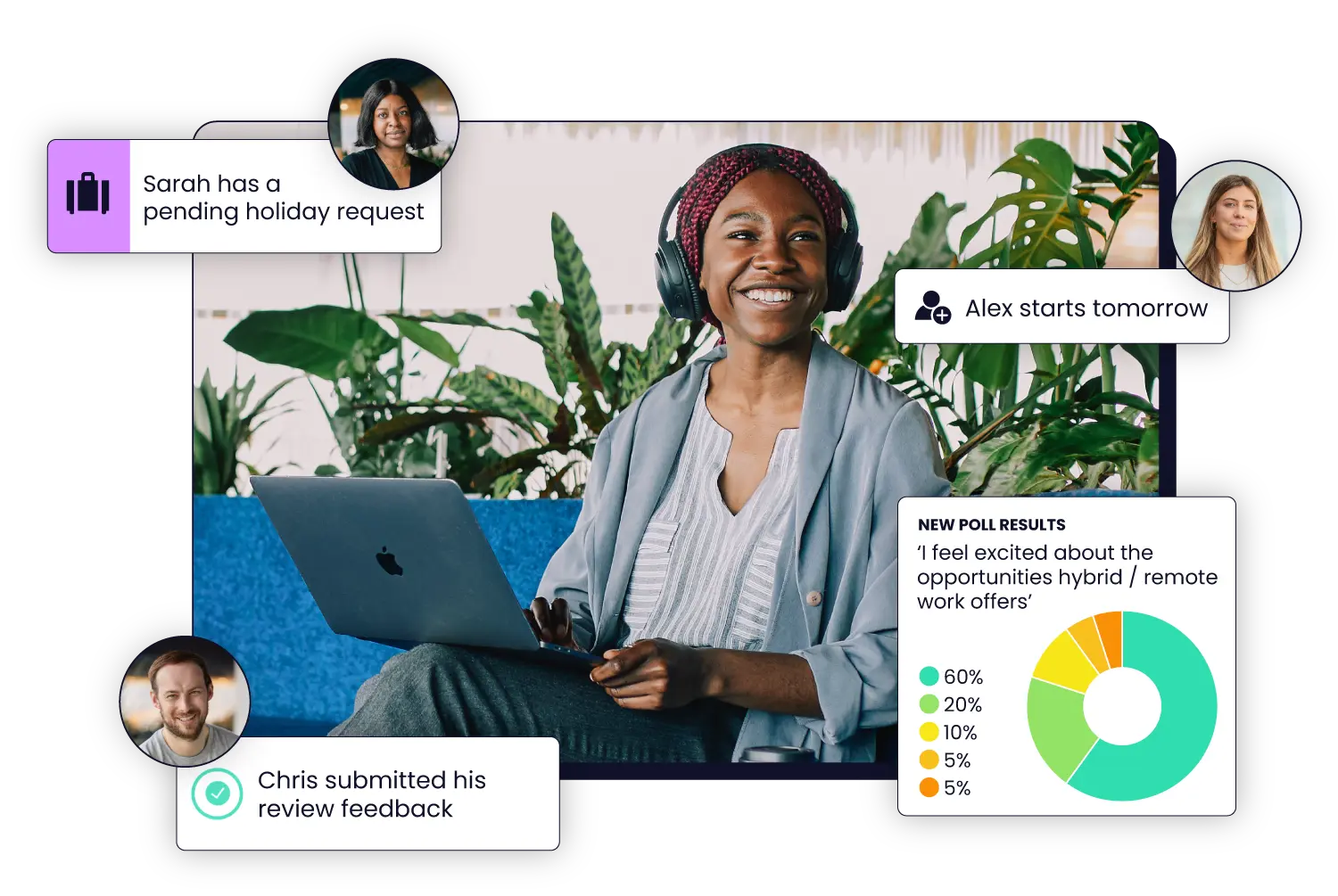
Small teams in the UK need tools built for the challenges they face, like avoiding holiday clashes, completing right to work checks, and staying compliant with the UK GDPR. Charlie HR is built with UK businesses in mind, with automated triggers and workflows that alert you to potential issues and take care of the admin — so you can focus on business stability and growth.
Charlie’s HR automation benefits include:
Book a demo to see why so many UK businesses choose Charlie as their HR software.


There are plenty of HR processes that you could automate to save time and energy, including:
Within each of these areas, there are many individual processes and HR workflows that would benefit from automation — like automatic payroll enrollment, background checks, or invitations to performance reviews.
We hope this guide will help you pick the right platform for your type of company, but before making a decision always ask yourself:
Check out these real life HR automation examples for some ideas on how you can supercharge your processes with the right tool.
While we’re a big fan of automating HR tasks where you can, there’s no way to automate HR fully — and that’s a good thing. HR automation can remove repetitive admin tasks, but it’s not a replacement for strong leadership and thoughtful decision-making.